Kernza Perennial Grain
Areas of our cropland have really struggled under no-till. I suspect these are soils which originally had a calcareous B horizon with leached carbonates, but the A horizon has long-since been lost to a century of tillage. These days, the top few inches of soil are very light, fine, almost like talcum powder, and the profile seemingly turns to hard limestone without mechanical intervention. 8.8 pH and Ca:Mg ratios are almost 50x what I’m told is ideal, and even heavy carbon inputs with bale grazing has struggled to make a difference. Not to mention the (deliberately) highly inefficient tactic of bale grazing isn’t cheap. Assume only $100/ton for decent hay, 1100# bales = $55 per bale, and say it takes 70 bales per acre for >90% coverage, 55*70 = $3850, half of which is actually eaten by a cow, so $1,925 per acre cost for aggressive bale grazing. There’s some other logistics that play into that, but point being it’s hard to swallow with record hay prices.
One of the most problematic areas happens to be adjacent to our corrals where we wean calves. When I first started on the farm, we would wean calves in the corral and hold them close for observation. When the coughing starts, it becomes a routine of running them through the chute to take temps and treat with antibiotics. I grew convinced the stress of going through the chute to get temps was half the reason they needed the antibiotics - self-fulfilling prophecy. Thing is, the calves were fine, and then we did something, and now they’re not fine. What specifically did we do, and can we mitigate it. This evolved to holding back just a few emotional support cull cows for a version of fenceline weaning, and then kicking the calves out of the corrals at the first cough to graze crop residue. This has dramatically reduced weaning issues. But finally come fall 2024, that area was planted to rye and I couldn’t kick the calves onto the adjacent cropland. And guess what happened? Between sick calves and limestone hilltops, I had the thought that I should just plant that stretch of cropland back to grass and be done with it.
Spring 2025 was warm and dry, and yet again, the rye hilltops died out and started blowing. While chiseling what was purportedly a “regenerative” field, I resolved to kill several birds with one stone and plant that 50 ac block to Kernza. There’s not a lot of intermediate wheatgrass in this area, smooth brome dominates introduced pastures, but it’s nothing special either. The catch being that the Kernza market is limited for certified organic, and basically non-existent for non-organic.
Back to my comments about stable plant communities, and pondering how to recreate a diverse, perennial system with agronomic value. I spoke to Sustainagrain and The Land Institute and basically asked that they give me everything they’ve got – Kernza, Silphium oilseed, baki bean, etc – and I’ll plant a diverse mix of perennial crops to be cleaned and sorted later. TLI wasn’t fond of the idea, I believe mainly because the other crops were probably completely inappropriate from my western climate. So Sustainagrain and I settled on a Kernza and sainfoin mix. This would at least add a broadleaf and nitrogen-fixing component.
I eventually sprayed the rye out to prevent it from producing seed and contaminating the planned Kernza crop. A bit later, I had some German millet leftover in the drill so I planted the Kernza area to millet for additional cover, then sprayed that out as well. Kernza was planted into rye/millet stubble September 2025.
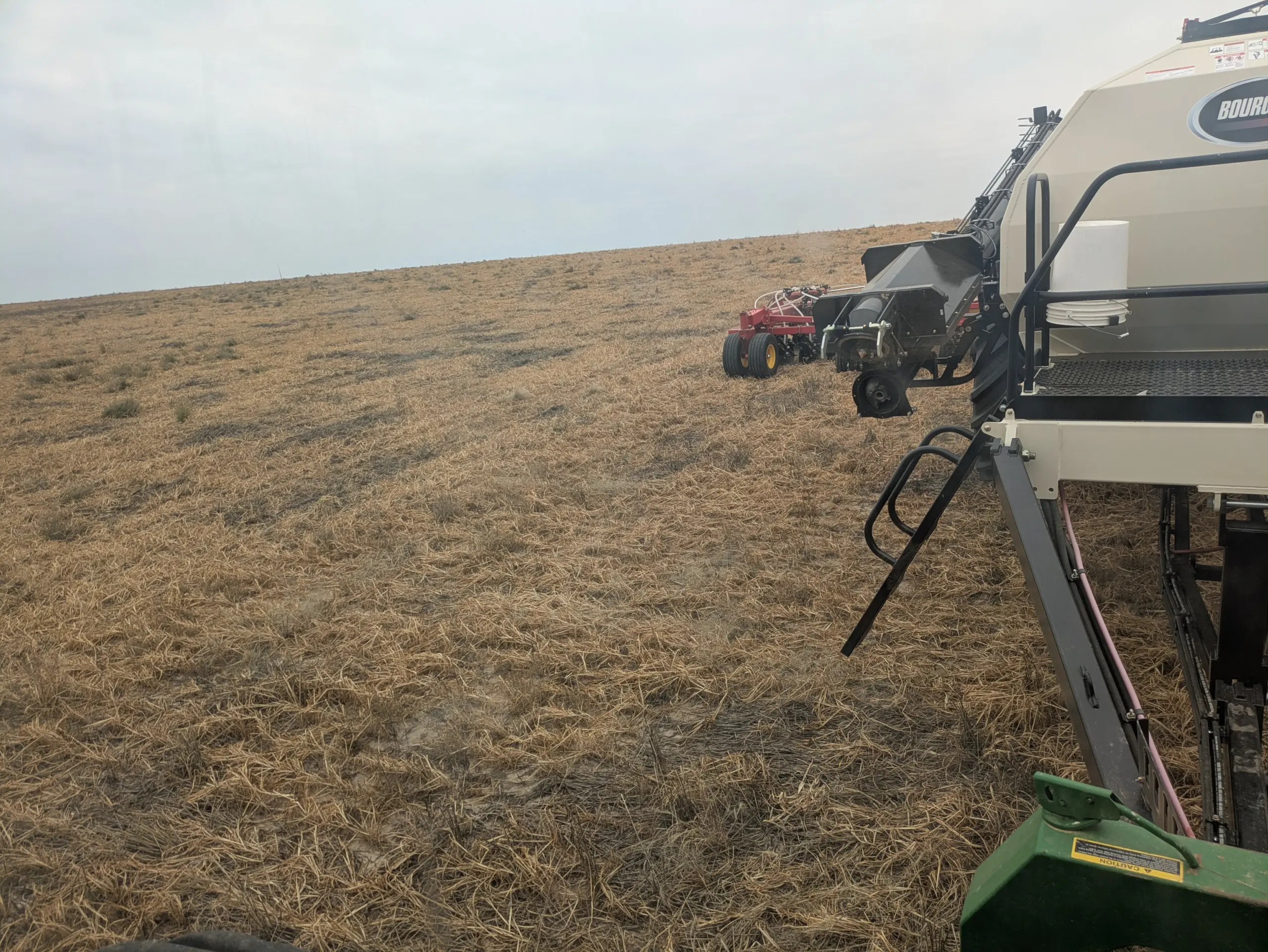
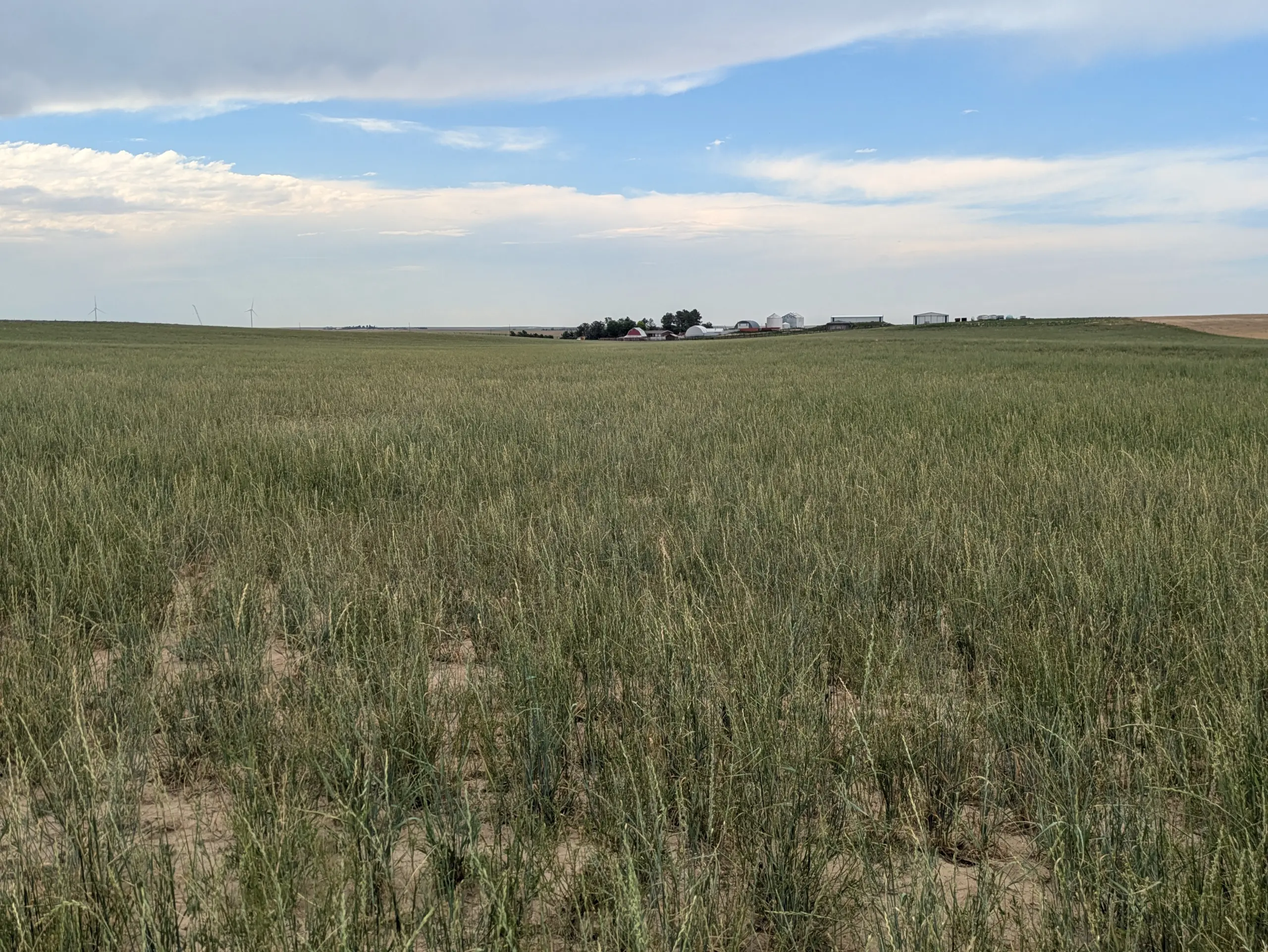
It got off to a pretty good start including a nice, slow 3/10” rain the first week of November. And then began the hottest, driest winter on record. By the spring, the hilltops, yet again, had largely died back and I despondently did a bit of additional tillage to stop wind erosion. There was no meaningful moisture until April 30. May and June ended up being slightly above average months, and the Kernza began to show some life…as well as a shocking amount of rye. By mid-May it was obvious that I had a serious rye problem in the Kernza, meaning I had a cool-season grass weed in my cool-season grass crop. Normally this is an intractable situation and I considered trying to clip or wick the rye, however, this is where the plot thickens as two stories intersect…
Right across the road from the Kernza is a smaller pasture that I often use more as a staging area than an actual pasture. I had the black breeding group poised to move a couple miles north for the summer. These cows had Halter collars. It occurred to me that I need to reframe my Kernza/rye situation. Yes, they may all be cool-season grasses, but I'm also dealing with an annual weed in a perennial crop. In theory, if I intensively graze the Kernza, the cows could shut the rye down while the wheatgrass will regrow. So we opened the corrals, turned the water on, and kicked the blacks onto the Kernza field with ~10 ac paddocks. In the end, the cattle removed >95% of the rye, and good moisture meant the Kernza rebounded quickly. Plus I was extremely pleased that we had used non-bloating sainfoin rather than the usual alfalfa! The Kernza rebound following intensive grazing and favorable precip meant we actually harvested some grain this August. It wasn’t a lot, but it was significant considering the horrible winter, a graze event, and fiddling with the combine and new pickup head.
Personally, I believe we need to be thinking bigger for products such as Kernza. The industry seems to have tunnel vision on organic food. Let’s get wild and do perennial-grain finished beef. Or Kernza ethanol! In any case, I intend to do whatever I can to build and maintain momentum for perennial grains. The beauty of Kernza is the worst case scenario is you end up with an overpriced wheatgrass pasture.
Pasture Crop Rye
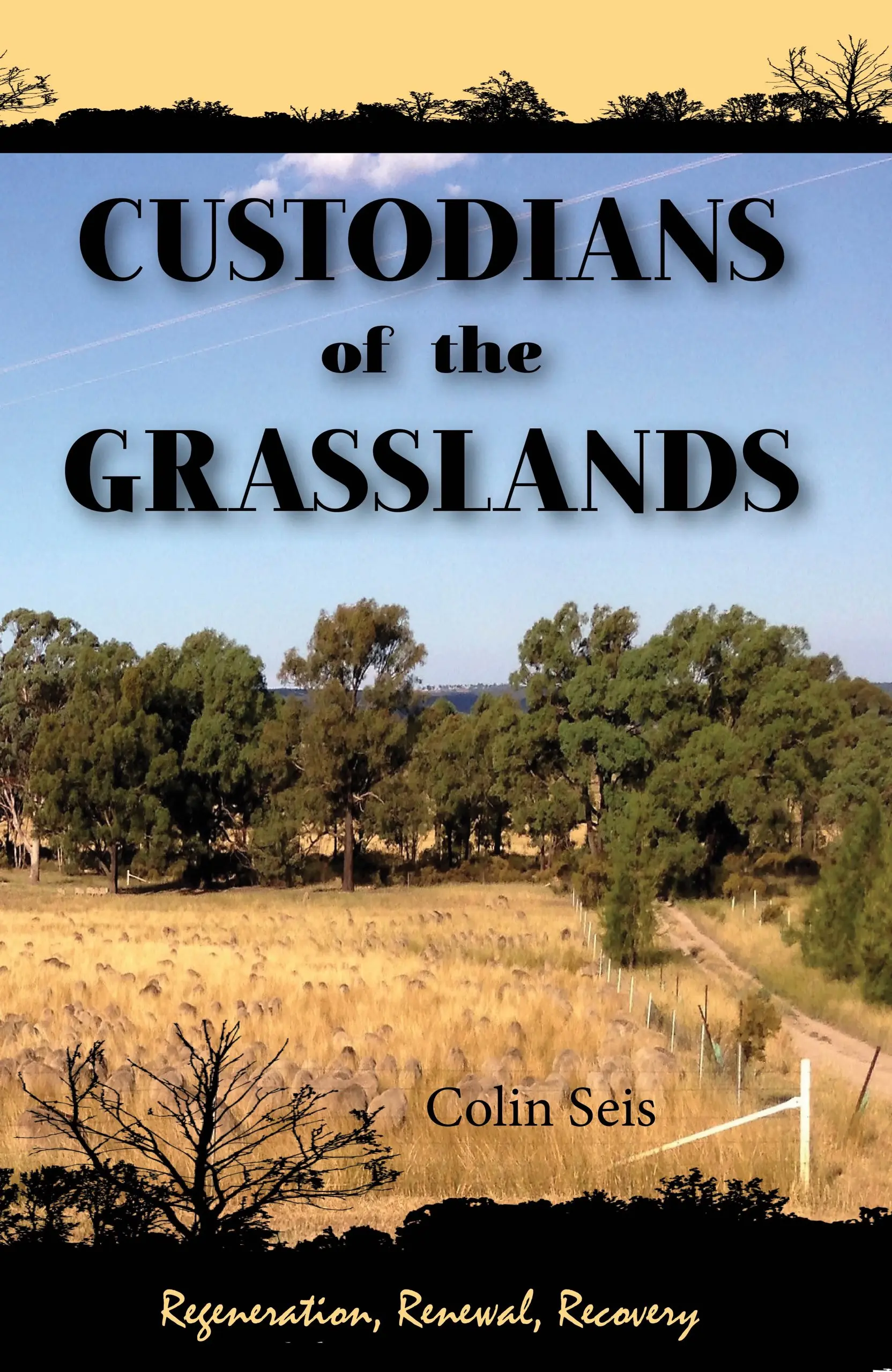
I used to work with Clark Harshbarger at NRCS back in the day, but he’s now the farm stewardship guy for Mad Agriculture. In my lamentations about the economics of perennial systems, Clark referred my to the Colin Seis book “Custodians of the Grasslands” in which an Australian farmer planted annual crops into native perennial stands with climate and rangeland more or less similar to mine. Remember Ecological Site Descriptions? They also include growth curves for various communities, showing that warm-season plants grow more in warmer seasons and cool-season species grow more in cooler seasons. Weird, I know. Seis’ strategy being that he could replace the cool-season component of his warm-season dominant rangeland with his cool-season crop, namely winter wheat.
He started with spraying the rangeland with glyphosate in the fall after the warm-season species were dormant, and then planted his wheat. Eventually he figured out that he could achieve the same effect using intensive sheep grazing, basically with a deliberate “overgraze” to knock some vigor out of the native cool-season species so the wheat could utilize the cool-season niche…
Holy Moley! Now we’re getting somewhere. Livestock are the only equipment I own that don’t depreciate every time I use them. Nor do they run on $7 diesel. Between Kernza and pasture cropping, we're on our way to an agronomic system based on ruminant-rangeland interactions, with cattle primarily serving as regenerative tools rather than just regenerative products, vastly reducing inputs and improving profitability without reliance on the “subsidies” of market premiums and exclusivity.
We are just starting our first attempt at pasture cropping. As part of the regenerative “remodel” of this old farm, I planted multiple fields that were small and/or irregular shaped and/or had erosion issues back to native grass. Then purchased a single flat, rectangular field of almost identical acreage to replace them. I can now farm the new acres in half the time, as well as rotate the cattle around easier. It also provides a perfect setting for pasture cropping so I don’t need to disturb true virgin prairie. A single ~40 acre reseeded crop field is currently being grazed with Halter to set the western wheatgrass back. Danko (open-pollinated Polish whiskey rye) will be planted with the box drill ASAP.
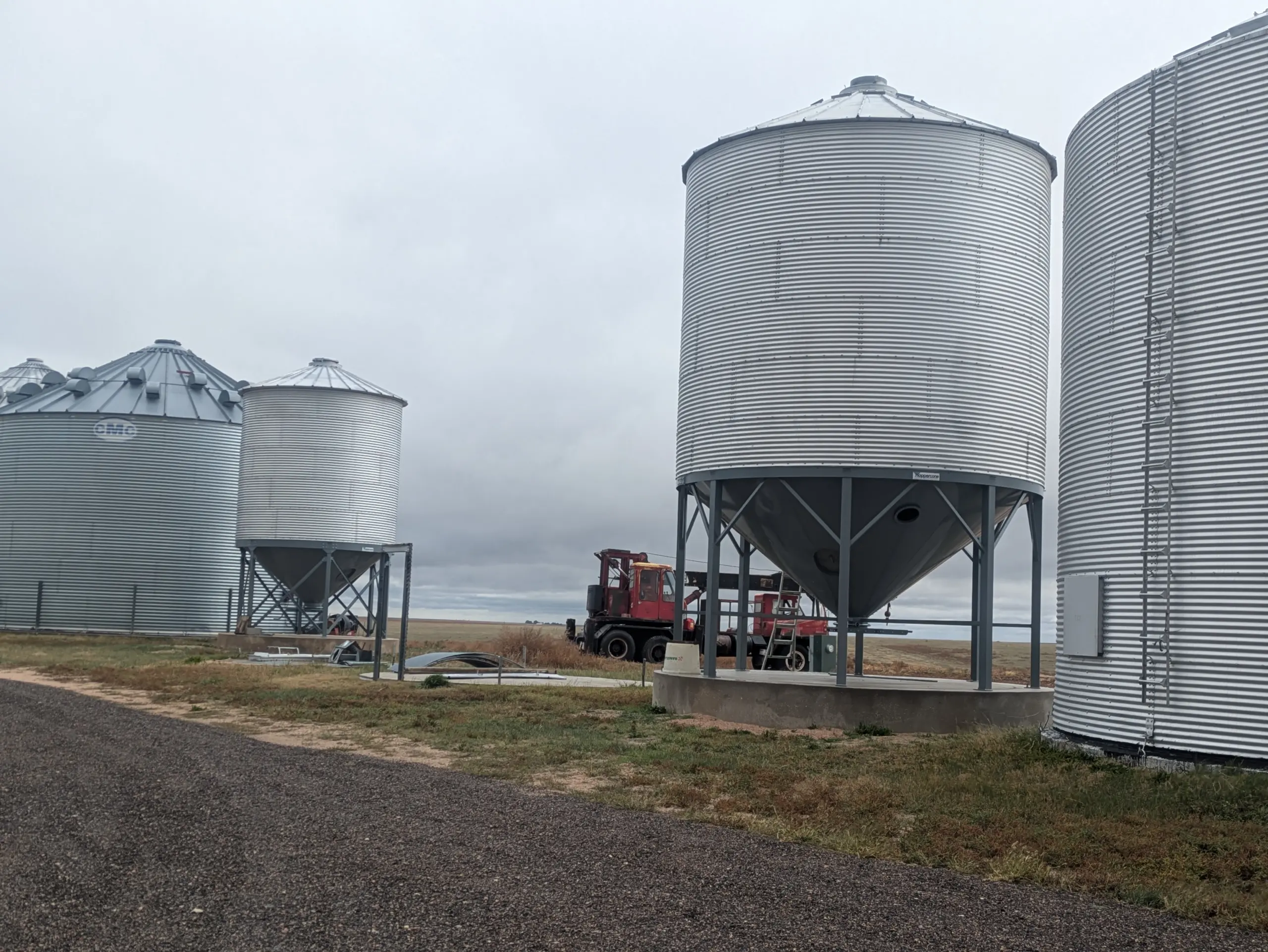
Another aspect of the "remodel" was revamping small bins for landrace development, or "seed sovereignty" as the magazine covers call it. No variety of anything will have been bred for pasture cropping in my climate, soils, or altitude (5300’). Part of our soil health management strategy has involved higher plant populations for quicker canopy closure to suppress weeds. Higher populations means more seed, which means bigger bills from the seed vendor. So switching from a couple commodities to a diverse rotation suddenly rendered our 20,000 bushel bins far less useful. As such, we just set a couple of the old, unused small bins (3,500 and 5,000 bushel) on cones. If pasture crop is remotely successful, these will facilitate developing our own variety/landrace specific to this management.
Halter collars are at work prepping the field for rye planting. It took 3 years to get these native stands established, so in theory a successful grain crop could be certified as organic.
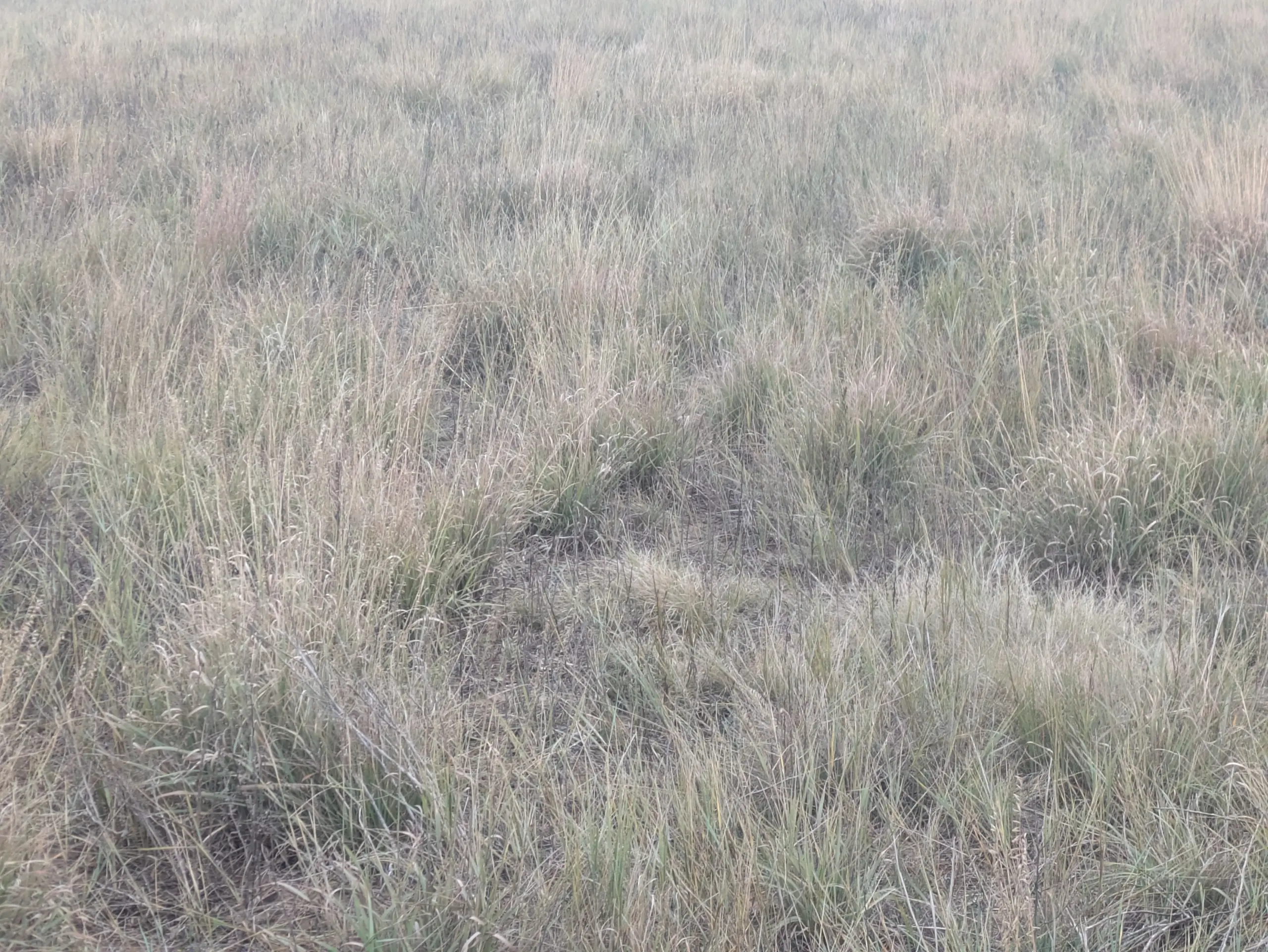
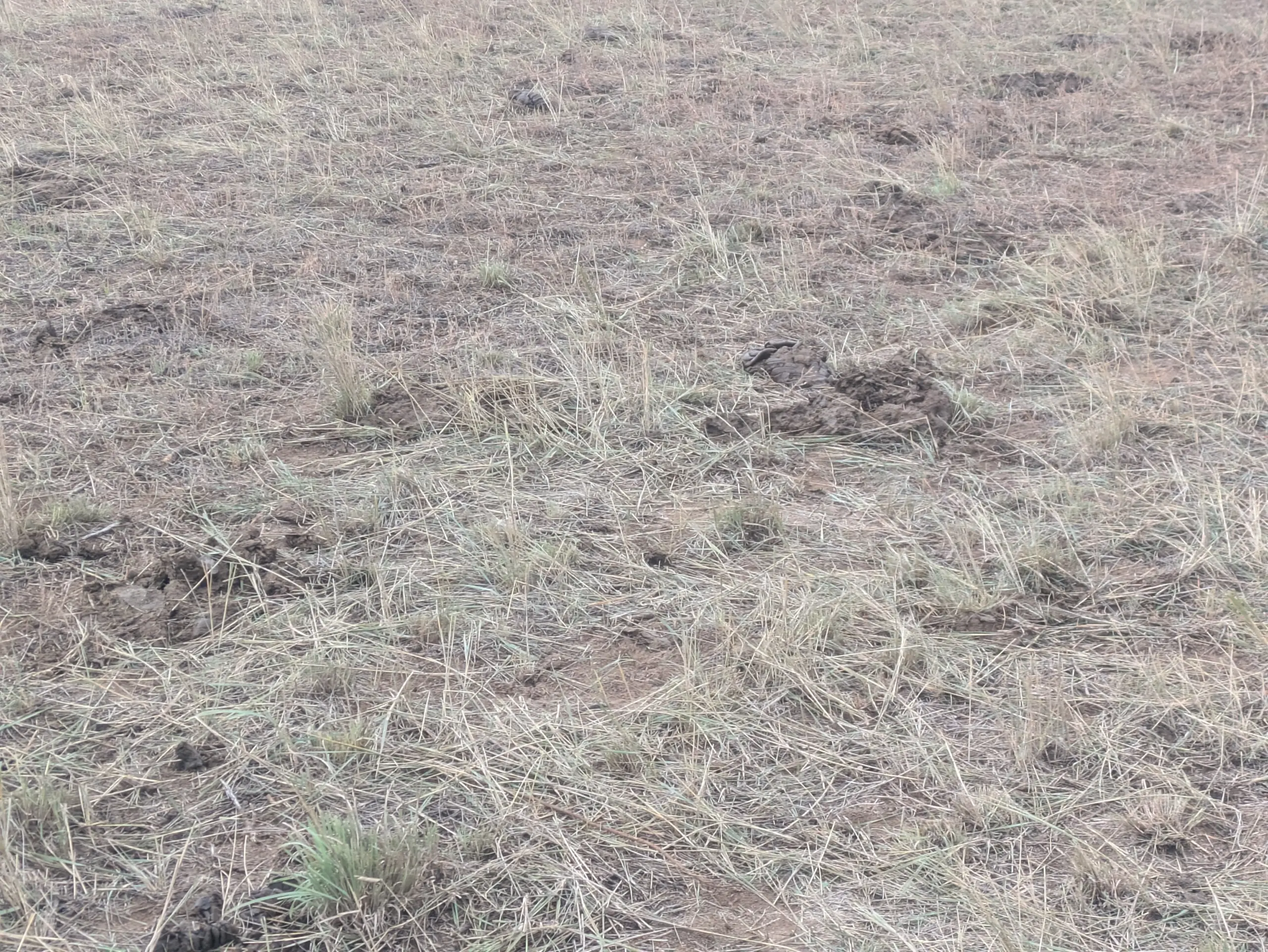
I, of course, have no clue how much impact is too much, or not enough. The warm seasons are not dormant but they have finished seed production. I figure it's Oct 15 and I can't push this out too much further.
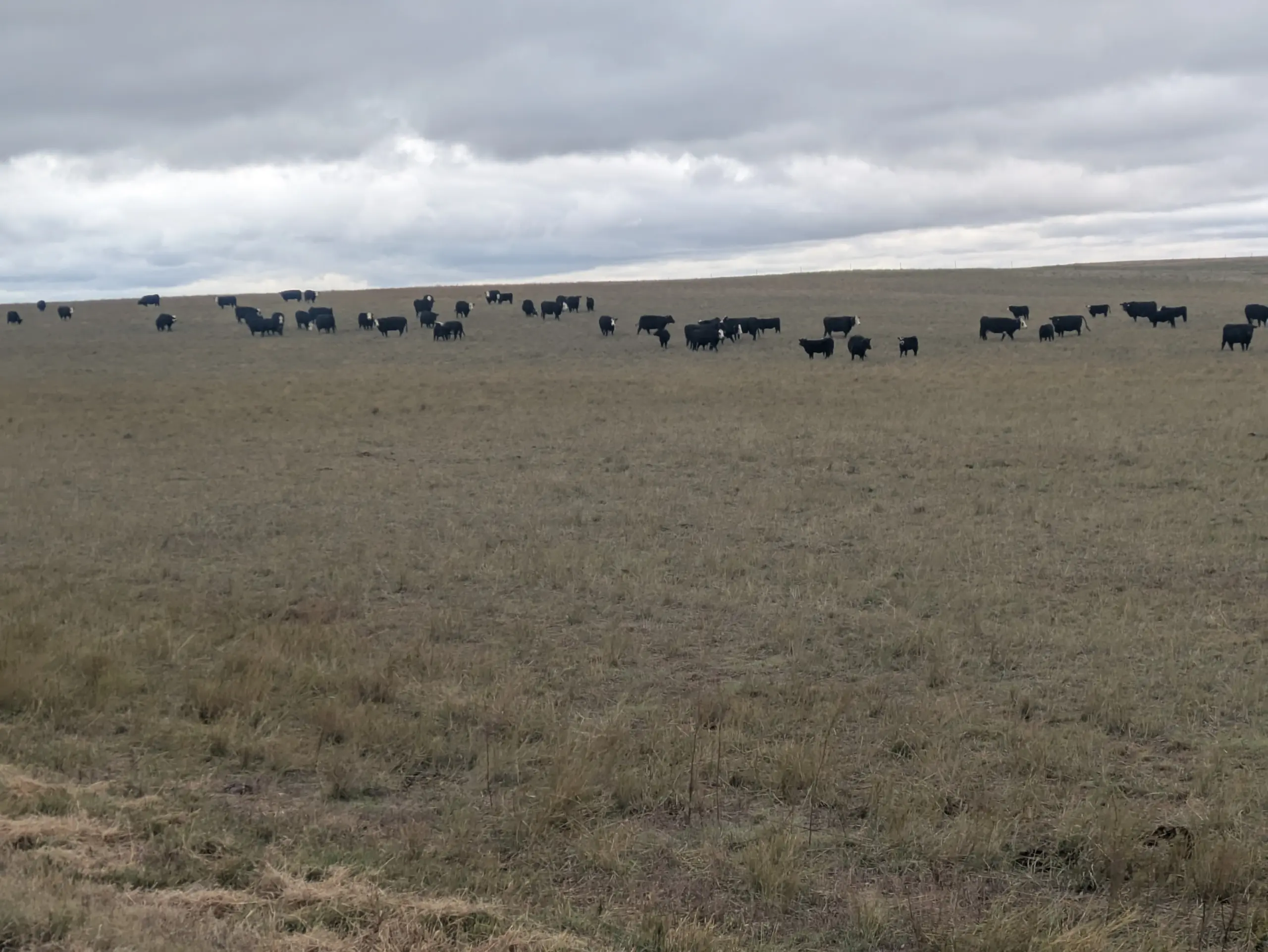
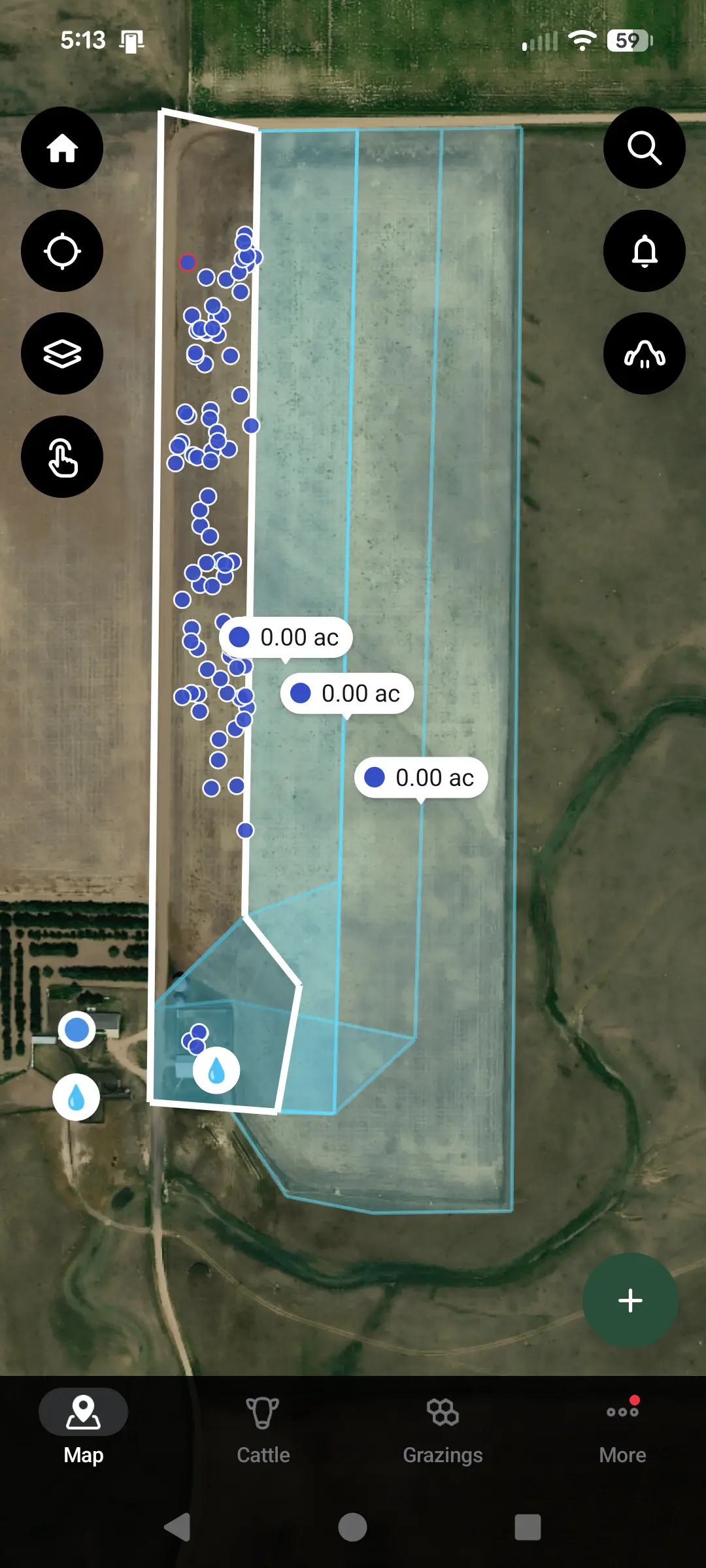
Stock density is 8.5 pair/ac, or 17 defecating butts/ac, or 68 hooves/ac. The rotation should be complete in 5 more days, and my intent is to pull in with the rye drill as the cattle are moving out. Then cross fingers we don't have a repeat of last winter.
Epilogue
And what if I’m wildly successful? All these innovations and endeavors invariably come full circle back to the RFSI questions. What am I going to do with semi loads of amazingly high-quality, regenerative, nutrient dense, organic, no-till Kernza and rye? Who’s aggregating, processing, retailing, etc? Where’s the supply chain? Better yet, where’s the value chain? Or again, just go wild, forget the food market and dump the rye biomass in a Roeslein anaerobic digester for RNG.
It would make a lot of marketing sense to pasture crop with wheat. If all else fails, I could at least just run it to the elevator. But the couple people I’ve spoken to who’ve attempted similar projects in this region strongly believed that they would’ve been more successful with rye (rather than wheat, triticale, or warm-season crops) and urged me to go that route. Guess I’ll cross that bridge if and when I get that far.